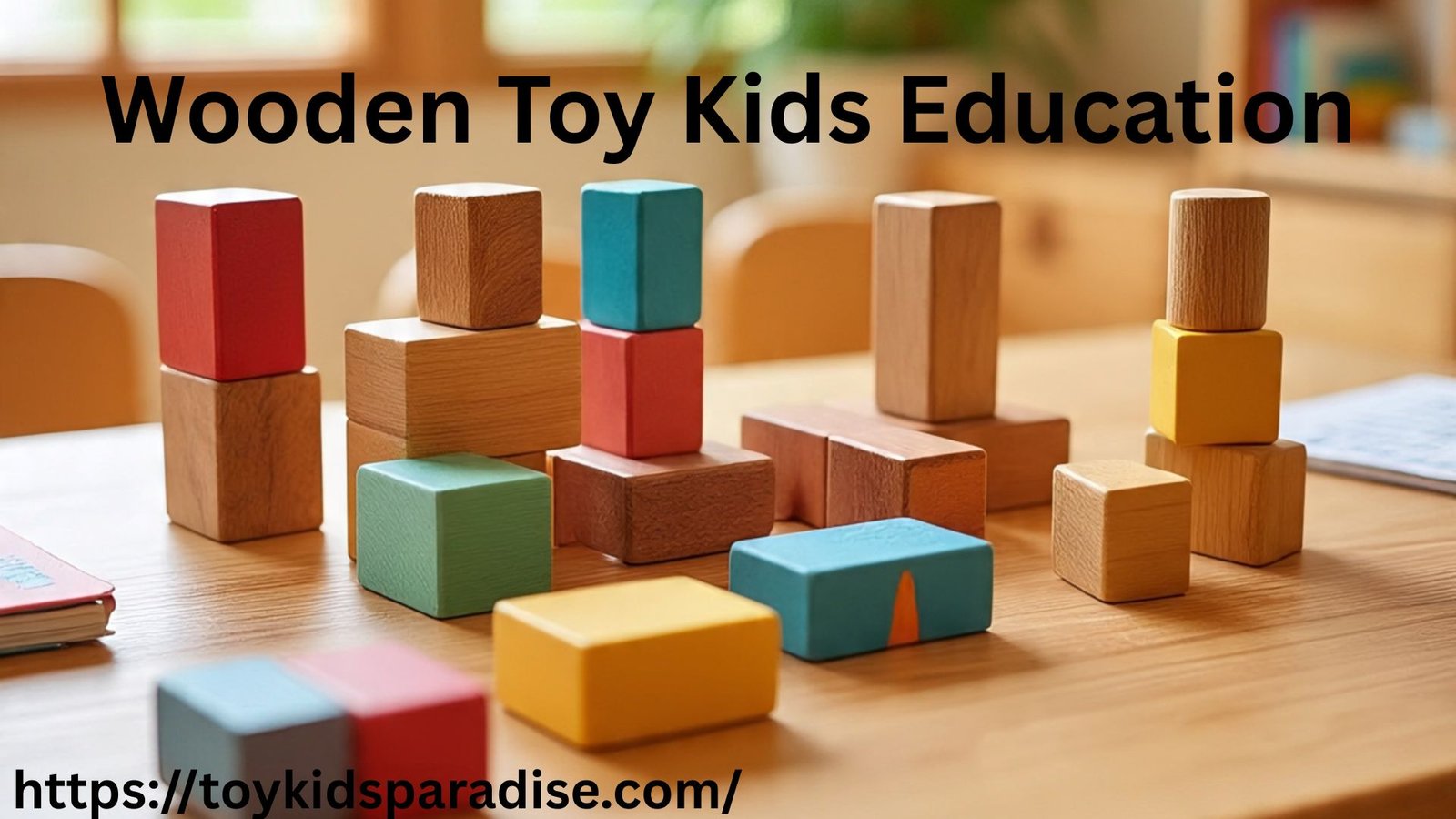
Wooden Toy Kids Education: A Complete Guide for Parents in 2025
Wooden toy kids education has gained huge popularity among parents, teachers, and childcare experts due to its ability to inspire learning through natural, safe, and creative play. As technology continues to dominate children’s lives, many families are turning back to simple, durable, and imaginative play options. Wooden toy kids education focuses on using traditional wooden toys to strengthen the developmental skills that children need in their early years. These toys not only support children’s cognitive growth but also promote motor development, emotional intelligence, and social skills.
In this article, we’ll explore the powerful role of wooden toy kids education, the benefits of using wooden toys, the best learning toys for different age groups, and essential tips for parents who want to build an educational play environment at home.
What Is Wooden Toy Kids Education?
Wooden toy kids education refers to the use of wooden toys as learning tools to support a child’s mental, emotional, and physical development. These toys are specifically designed to encourage hands-on learning, problem-solving, creativity, and imaginative thinking. Unlike electronic toys that may distract children with sounds and screens, wooden toys promote focused and meaningful play.
The concept of wooden toy kids education is based on Montessori, Waldorf, and other child-centered learning methods that use natural materials to foster independence, concentration, and exploration. Wooden toys are considered more authentic, environmentally friendly, and safer for young children.
Benefits of Wooden Toy Kids Education
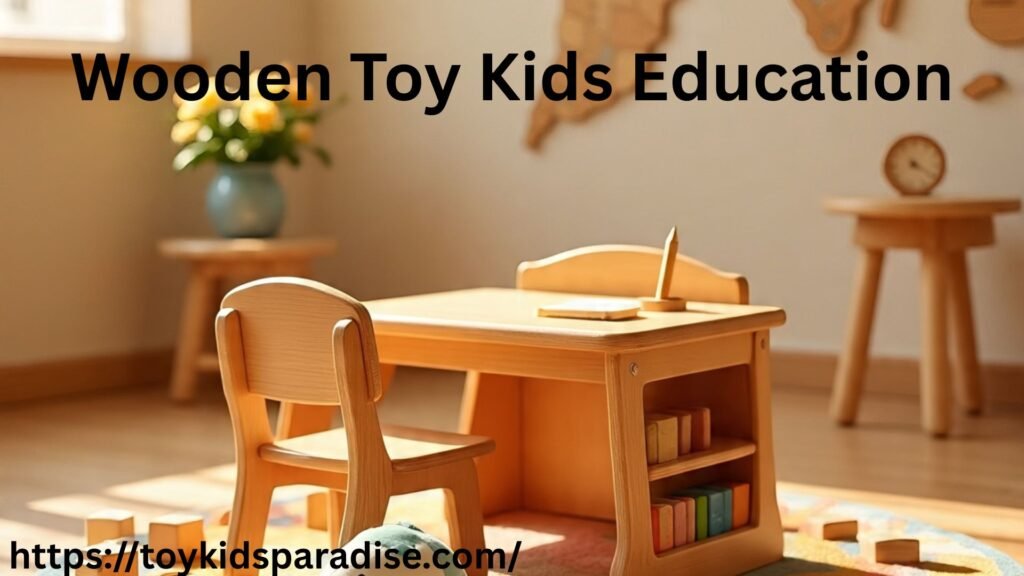
1. Encourages Creative Play
One of the biggest strengths of wooden toy kids education is its ability to spark creativity. Wooden toys do not come with pre-programmed functions, digital lights, or voice commands. Instead, children must engage their imagination to create their own stories and play scenarios. A simple wooden block can become a car, a house, or a castle—allowing unlimited possibilities.
2. Enhances Fine Motor and Gross Motor Skills
Wooden toys support the development of key motor skills. Stacking, sorting, building, and balancing blocks all help children practice hand-eye coordination, finger strength, and overall physical control. Wooden toy kids education allows children to learn how different shapes fit together and how to manipulate objects with precision.
3. Promotes Problem-Solving Skills
Puzzles, building sets, and shape sorters teach kids how to think critically. When children try to assemble pieces, match shapes, or stack blocks without them falling, they learn patience, persistence, and logical thinking. Wooden toy kids education strengthens a child’s ability to analyze problems and find solutions.
4. Safe and Eco-Friendly Choice
Wooden toys are made from natural materials, free from toxic chemicals, harmful plastic particles, or sharp edges. They last longer and are biodegradable, making wooden toy kids education a safe and environmentally responsible option for parents.
5. Supports Montessori Learning Approach
Montessori classrooms around the world rely heavily on wooden learning materials. These toys help children build independence, concentration, and sensory awareness. Wooden toy kids education aligns perfectly with Montessori principles by providing tactile and meaningful hands-on experiences.
Popular Types of Wooden Toys for Kids Education
1. Wooden Building Blocks
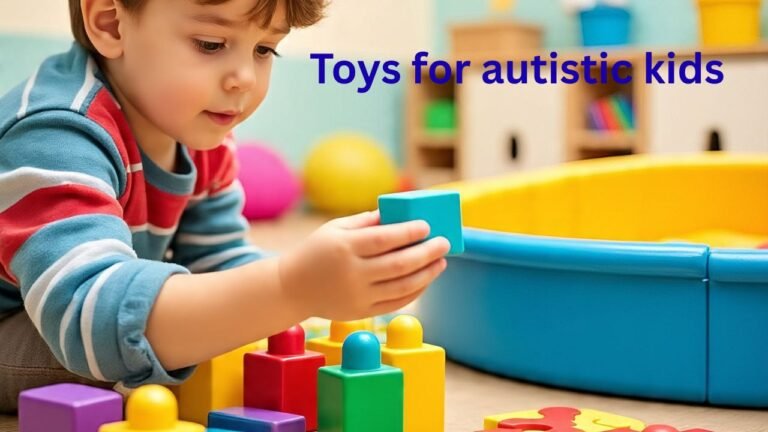
These classic toys are the foundation of wooden toy kids education. Building blocks encourage creativity, engineering skills, balance, and logical thinking. Children can build towers, bridges, and imaginative structures while learning about shapes and spatial relationships.
2. Wooden Puzzles
Wooden puzzles help strengthen memory, focus, and problem-solving skills. They come in various levels of difficulty from simple animal puzzles to complex geometric boards. Puzzles are essential tools in wooden toy kids education for improving cognitive development.
3. Wooden Counting and Alphabet Boards
Educational boards teach basic math and literacy in a fun and interactive way. Children can learn numbers, letters, and simple equations through tactile, hands-on play. Wooden toy kids education supports early language and math readiness perfectly.
4. Wooden Pretend-Play Sets
Pretend-play toys like wooden kitchens, cash registers, food sets, or doctor kits help children develop emotional intelligence and social interaction. Wooden toy kids education encourages role-playing, teamwork, and communication skills.
5. Wooden Musical Instruments
Instruments such as xylophones, drums, and maracas help children explore rhythm and sound. Music play is essential for brain development, and wooden toy kids education blends creativity with sensory learning through natural sounds.
Why Wooden Toy Kids Education Is Better Than Plastic Toys
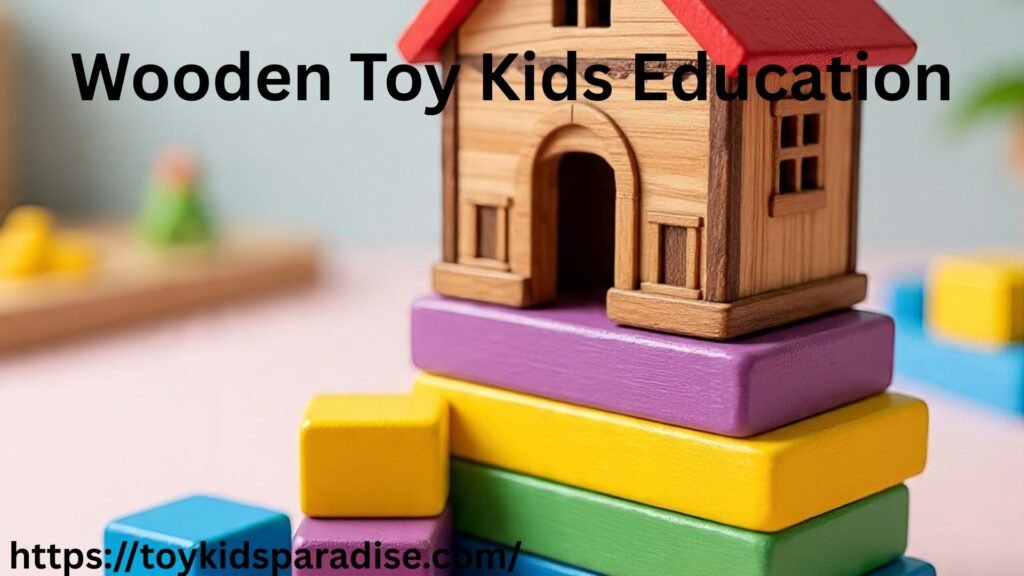
Many plastic toys break easily, overwhelm children with noise, or contain unsafe materials. Wooden toy kids education provides a calmer, more meaningful play experience. The weight and texture of wooden toys help children connect with the physical world. They feel solid and real, encouraging sensory learning.
Plastic toys often limit imagination by only doing one thing—pressing a button, hearing a sound, or flashing a light. Wooden toys require kids to think, experiment, and build their own ideas. This makes wooden toy kids education far more beneficial in supporting a child’s mental growth and long-term learning.
How Parents Can Use Wooden Toy Kids Education at Home
1. Create a Simple Learning Play Area
Dedicate a small space for wooden toys organized in baskets or shelves. A structured environment helps children stay focused and encourages independent play.
2. Start With Basic Learning Toys
You don’t need many toys. Begin with building blocks, puzzles, and alphabet boards. These are perfect essentials for wooden toy kids education.
3. Join the Play to Build Social and Language Skills
Parents can enhance learning by asking questions, helping children identify shapes, or building together. This supports communication and vocabulary development.
4. Rotate Toys for Better Engagement
To keep children curious, change the toys every week. Toy rotation is a powerful strategy in wooden toy kids education to prevent boredom and promote exploration.
5. Encourage Independent Thinking
If your child is struggling, avoid solving the problem immediately. Instead, give hints. This teaches independence and confidence.
Long-Term Impact of Wooden Toy Kids Education
Children who grow up with wooden toys often develop better emotional stability, focus, and social awareness. They are more likely to think creatively, solve problems effectively, and enjoy hands-on learning. Wooden toy kids education builds a strong foundation for school readiness, lifelong curiosity, and overall brain development.
FAQs About Wooden Toy Kids Education
1. What age is best to start wooden toy kids education?
Children can begin as early as 6 months with simple grasping toys. Wooden toy kids education grows with the child through all stages.
2. Are wooden toys safe for babies?
Yes. Wooden toys made with natural materials and non-toxic paints are extremely safe.
3. Do wooden toys help with learning?
Absolutely. Wooden toy kids education supports cognitive development, motor skills, creativity, and emotional growth.
4. Are wooden toys better than plastic toys?
Yes. They are more durable, eco-friendly, and promote deeper learning compared to noisy, distracting plastic toys.
5. Which wooden toys are best for early education?
Building blocks, puzzles, shape sorters, alphabet boards, and counting toys are excellent for wooden toy kids education.
6. Do wooden toys last longer?
Yes. Wooden toys are durable and can last for many years, making them cost-effective.
7. How do wooden toys support Montessori learning?
They promote independence, sensory learning, and hands-on exploration, which are core Montessori principles.
About the Author