Discovering Kids' Paradise to me: A Guide to Unforgettable Family Fun
The phrase “kids’ paradise near me” is a modern-day mantra for parents and caregivers. It represents the search for that perfect local spot where a child’s imagination can run free, laughter fills the air, and the primary goal is simply to have fun. But what truly transforms a place from a simple playground or activity center into a genuine paradise for a child? It is not just about the equipment or the size; it’s about the experience. It’s a space designed with a child’s perspective at its heart, where they feel a sense of ownership, wonder, and boundless possibility. This article will guide you through the various forms a local kids’ paradise can take and how to find the one that will light up your child’s eyes.
A children’s paradise is often a multi-sensory environment. It engages more than just the body; it stimulates the mind and nurtures the spirit. For a toddler, paradise might be a soft-play area with safe, climbable structures in bright colors. And where they can test their newfound mobility without fear. For a school-aged child, it could be an elaborate jungle gym with twisting slides and monkey bars that present a physical challenge and a social hub for making new friends. For the creatively inclined, it’s a studio filled with art supplies, where the only rule is to create. Recognizing that “paradise” is subjective is the first step in finding the right fit for your family. The key is to look for places that prioritize open-ended play, allowing children to lead the way and discover joy on their own terms.
Beyond the Swing Set: The Different Faces of a Local Paradise
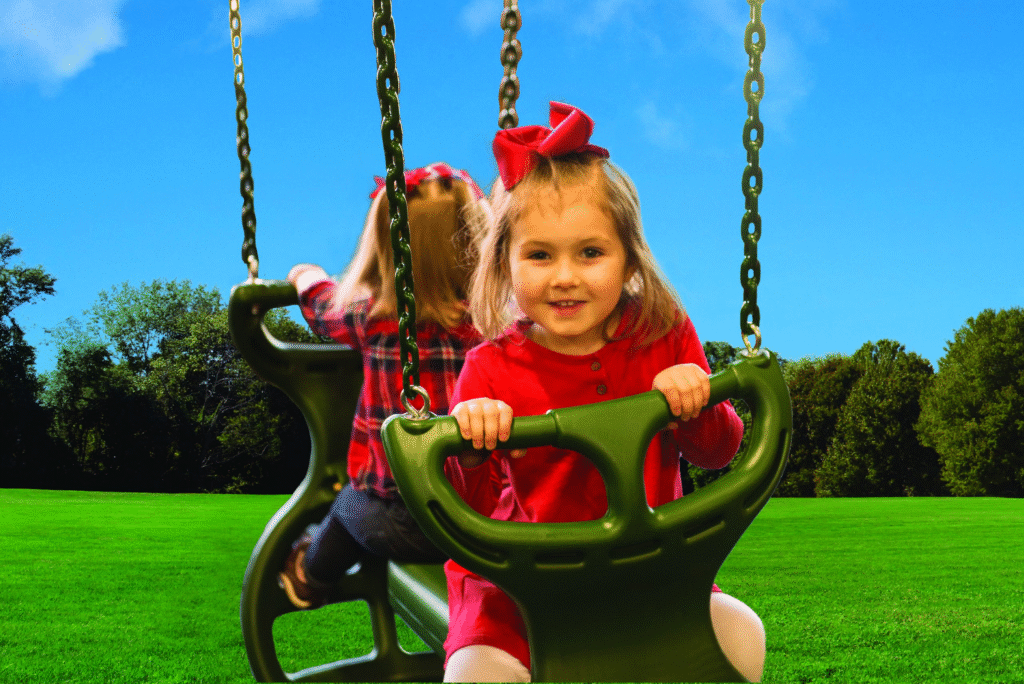
The classic image of a park with swings and a slide is a timeless one, but the concept of a kids’ paradise has expanded dramatically. Here are some of the most common and enriching types of paradises you might find in your community.
1. The Enchanted Outdoor Park: Many cities and towns are moving beyond standard playground designs to create truly magical outdoor spaces. These parks often feature unique themes—perhaps a castle to explore, a pirate ship to commandeer, or a musical garden filled with instruments made from durable materials. They incorporate natural elements like logs for balancing, sand and water features for sensory play, and winding paths that encourage exploration. The best of these parks feel less like a manufactured play area and more like a corner of a storybook brought to life. They offer fresh air, physical activity, and the invaluable chance for children to engage in unstructured play, inventing their own games and narratives amidst the equipment.
2. The Immersive Indoor Playground: For days when the weather doesn’t cooperate, indoor play centers have become a sanctuary for active kids. The modern indoor paradise is a far cry from a simple room with balls. Think multi-level structures connected by tubes, wave slides, and ball pits. Many now incorporate interactive technology, with walls that respond to touch or floors that create light patterns when jumped on. These environments are designed to let children safely expend energy, develop gross motor skills, and socialize in a climate-controlled, secure setting. For parents, they offer a comfortable place to observe, often with seating and Wi-Fi, making it a paradise for the whole family.
3. The Creative Discovery Zone: For some children, paradise is not about climbing but about creating. Museums and dedicated centers focused on hands-on learning are a different kind of haven. These spaces are built around the concept of “edutainment,” where learning is disguised as play. They might feature water tables demonstrating physics principles, building areas with giant blocks, mock grocery stores or veterinary clinics for role-playing, and science labs for simple, exciting experiments. This type of paradise nurtures curiosity, critical thinking, and problem-solving skills, proving that the most profound fun is often deeply connected to discovery.
4. The Natural World Sanctuary: Never underestimate the original kids‘ paradise: nature itself. A quiet corner of a forest, a trail along a creek, or a designated “nature play” area can provide the most profound and calming play experience. Here, a stick becomes a sword, a fort, or a magic wand. A pile of rocks is a mountain to be conquered. The rustling of leaves and the chirping of birds provide a natural soundtrack. This connection to the natural world has been shown to reduce stress in children, improve focus, and foster a lifelong appreciation for the environment. It is a paradise that costs nothing but offers everything in terms of imaginative and sensory development.
How to Identify Your Perfect Local Spot
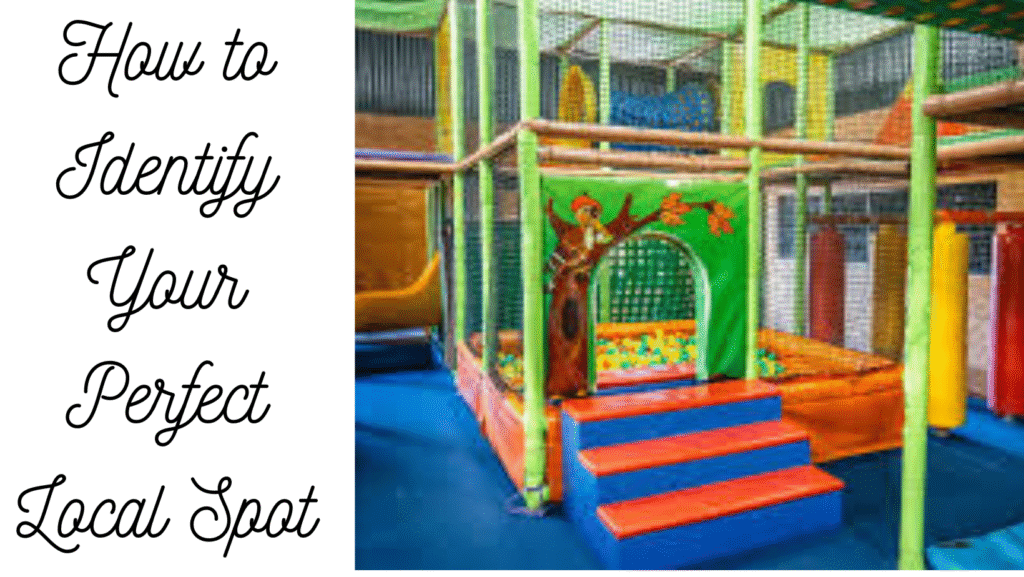
Finding these hidden gems requires a bit of strategy. Start by looking beyond the first page of search results. While large, corporate play centers are easy to find, the most unique paradises are often smaller, locally-owned businesses or specially funded community projects. Use local parent groups on social media as a resource; these communities are goldmines for honest reviews and recommendations. Ask specific questions: “Is there a park with a water feature?” or “Where is the best indoor space for a cautious three-year-old?”
When you identify a potential spot, do a little digging. Look at their website or social media pages for photos—do the children in the pictures look genuinely engaged and happy? Check for practicalities like cleanliness, safety protocols, and the availability of amenities like family restrooms and snack areas. Remember, a true kids’ paradise is also a place where parents feel comfortable and welcome. The atmosphere should feel inclusive, safe, and designed to reduce, not add to, parental stress.
Crafting a Mini-Paradise at Home
While finding a public paradise is wonderful, you can also cultivate that magic in your own home. You don’t need a huge budget or a massive backyard. Designate a “creation station” with a small table stocked with paper, crayons, glue, and recyclables. A blanket over a table instantly becomes a secret cave. A sensory bin filled with rice, beans, or water beads can provide minutes of focused, tranquil play. Baking together in the kitchen is a paradise for a child who loves to measure, mix, and see the transformation of ingredients. The goal is to create spaces and opportunities where your child feels empowered to explore their interests without constant direction. The most cherished paradises are often those built with love and imagination, right in your own living room.
The search for a “kids paradise near me” is a worthwhile endeavor. It is a quest for community, for joy, and for creating those fleeting, precious memories that define childhood. By looking for spaces that honor a child’s need for play in all its forms—physical, creative, and natural—you are not just finding a place to pass the time. You are opening a door to a world of wonder for your child, one local adventure at a time.
Frequently Asked Questions (FAQs)
Q1: What should I look for to ensure a play space is safe for my toddler?
Beyond the obvious need for clean surfaces, look for age-appropriate zones. A well-designed paradise will have a separate, enclosed area for younger children with softer flooring, smaller-scale equipment, and no overwhelming obstacles. Check that all structures are firmly anchored, there are no sharp edges or pinch points, and that the padding under equipment is sufficient and well-maintained. Also, observe the staff or attendants; they should be actively monitoring the play areas.
Q2: Are memberships or day passes better for these types of places?
This depends entirely on your family’s habits. If you find a paradise your children adore and you live close enough to visit at least once a week, a membership often pays for itself quickly and offers the best value. However, if you prefer variety or are using the venue as an occasional treat, sticking with day passes or punch cards gives you the flexibility to explore different options without a long-term commitment.
Q3: My child is shy and gets overwhelmed easily. What type of paradise is best for them?
Loud, crowded indoor gyms might be too stimulating. Instead, seek out quieter, more focused environments. A library’s children’s section with cozy reading nooks, a nature center with walking trails, a pottery painting studio, or a small, community-run playgroup can be ideal. You can also try visiting popular spots during off-peak hours, such as weekday mornings, to experience them in a calmer state.
Q4: How can I make an outdoor park visit more engaging?
Turn it into a mini-adventure. Before you go, suggest a theme for the day, like “pirate explorers” or “nature detectives.” Bring along a magnifying glass to look at bugs and leaves, or a small notebook for a scavenger hunt. Sometimes, a simple change in perspective—like challenging your child to cross the park without stepping on the cracks—can reinvent a familiar space and spark new excitement.
Q5: What are some essential items to pack for a day at a kids’ paradise?
A well-stocked bag is key to a stress-free trip. Essentials include a change of clothes (especially socks for indoor play centers), water bottles, healthy snacks, wet wipes for quick clean-ups, and bandaids for minor scrapes. If you’re heading outdoors, add sunscreen, hats, and insect repellent. For indoor creative spaces, you might not need to bring anything, but it’s always wise to check their policy on outside materials.
Q6: How do I handle a situation where my child doesn’t want to leave?
This is a common challenge! Setting clear expectations before you even arrive can help immensely. Use a timer on your phone, giving a 10-minute and then a 5-minute warning. Use a positive transition, such as, “We need to go home now to have the special snack we prepared,” or “Let’s go so we can tell Dad all about the amazing slide you went on.” Consistency and a calm, firm approach, even if it leads to tears, will help establish a routine over time.
About the Author